

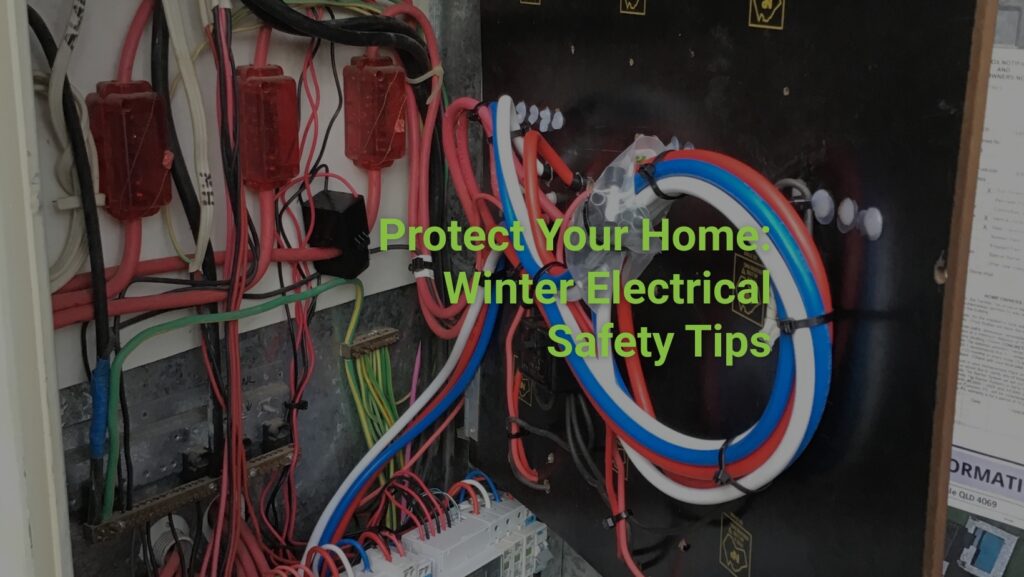
Winter Electrical Safety Tips
Winter in Brisbane brings its own set of challenges, especially when it comes to electrical safety. As temperatures drop, the demand for heating and lighting increases. This can put a strain on your home’s electrical system. Understanding how to manage this demand is crucial.
Electrical issues can arise unexpectedly, posing risks to your home and family. It’s essential to be prepared and informed. Knowing the right safety measures can prevent potential hazards.
Whether you’re a homeowner, contractor, or business owner, electrical safety should be a priority. Simple precautions can make a significant difference.
This guide will provide you with practical tips and insights. Stay safe and warm this winter by following these essential electrical safety tips.
Why Winter Electrical Safety Matters in Brisbane
The winter months mean more use of electrical devices in Brisbane.
With increased usage comes a higher risk of electrical issues. It’s vital to be proactive to ensure safety and reliability.
The unique climate conditions in Brisbane can affect electrical systems. Fluctuating temperatures can lead to condensation, which may cause short circuits. Being aware of these risks allows for better preparation.
Consider these winter electrical safety aspects:
- Increased use of heaters and electric blankets.
- Potential for overloaded circuits.
- Condensation effects on outdoor electronics.
Understanding these factors can prevent accidents and ensure safe electrical usage in your home and workplace.
Common Winter Electrical Hazards
Winter brings specific hazards that require careful attention. Cold and wet conditions can undermine electrical safety. Being aware of these dangers helps safeguard your home.
Some hazards include increased strain on circuits due to extended appliance use. Overloading can lead to blown fuses or worse, electrical fires.
Recognising the signs early is crucial.
Here are common winter electrical hazards:
- Overloaded circuits from excessive device use.
- Short circuits due to moisture exposure.
- Potential electrical fires from faulty heaters.
Understanding these risks allows you to take preventative measures. Regular inspections and mindful usage can greatly reduce the chances of winter electrical hazards. Stay alert and protect your property.
Essential Electrical Safety Tips for Cold Weather
Winter demands extra precautions to maintain electrical safety. Implementing practical measures can significantly reduce hazards. Regular inspections should always be a priority.
Check electrical systems before winter arrives. Identifying issues early prevents costly and dangerous situations. Consistently prioritise this step each year.
Another key practice is mindful usage of heaters and other high-energy devices. Ensure your system can handle the load. Distribute usage among outlets to avoid overloads.
Here are essential tips for cold weather safety:
- Schedule professional electrical inspections annually.
- Use heaters with automatic shut-off features.
- Avoid using multiple power strips on one socket.
Consider surge protectors for sensitive appliances. This guards against power surges during storms. It’s a small investment with significant protective benefits.
Lastly, educate family or colleagues about these practices. Knowledge empowers everyone to act safely and effectively. Together, these tips create a safer winter environment in your home or business.
Safe Use of Heaters, Blankets, and Appliances
During winter, heaters and electric blankets become everyday essentials. However, they require careful handling to ensure safety. Misuse can lead to hazards like fires or electric shocks.
Always follow manufacturer instructions when using these devices. Ensure heaters have a stable surface and maintain clear space around them.
Electric blankets should be flat when in use to avoid overheating.
Keep in mind these tips for safe usage:
- Never leave heaters or blankets unattended.
- Unplug appliances when not in use.
- Avoid using damaged cords or plugs.
Lastly, inspect devices for signs of wear. Replace or repair as needed to avoid risks. Taking these precautions helps maintain a safe and warm environment during colder months.
Preventing Overloads and Power Surges
Winter often brings an increased use of electrical devices. This can lead to overloads and power surges. Managing the electrical load is essential.
One way to prevent overloads is by not plugging too many devices into one outlet. Use surge protectors to guard against unexpected power spikes. They can save appliances and electronics from damage.
Here are some helpful practices:
- Distribute electrical load across sockets.
- Invest in quality surge protectors.
- Avoid using extension leads for permanent setups.
Regular monitoring of your electrical system can make a big difference in preventing potential hazards.
Outdoor and Holiday Electrical Safety
Outdoor and holiday lighting bring joy during the winter season. However, they present specific safety challenges. Proper installation and maintenance are crucial.
Consider the following outdoor safety tips:
- Use weatherproof extension leads.
- Ensure outdoor sockets are RCD protected.
- Inspect all lights for frayed wires.
When decorating your home, be mindful of these practices. Avoid overloading circuits with too many lights. Always turn off decorations when you leave home or go to bed. Taking these precautions helps prevent electrical fires and ensures a safe, festive atmosphere.
The Importance of Professional Inspections and Maintenance
Regular electrical inspections by professionals are vital for winter safety. They can identify hidden issues that could lead to bigger problems.
Hiring a licensed electrician ensures compliance with local safety standards. They have the expertise to detect potential hazards, saving you costly repairs.
Benefits of professional inspections include:
- Identifying outdated wiring.
- Ensuring proper earthing.
- Checking circuit board health.
Regular maintenance prevents emergency situations and increases system efficiency. Trusting experts allows you to enjoy peace of mind throughout the winter season, knowing your home or business is electrically safe.
What To Do in an Electrical Emergency
Reacting calmly and promptly is essential during an electrical emergency. Start by assessing the situation to determine immediate risks. Ensure everyone’s safety by evacuating the area if necessary.
Follow these steps if an electrical emergency occurs:
- Cut power at the main breaker.
- Call emergency services or a licensed electrician.
- Avoid contact with exposed wires or water near electricity.
Prioritising safety can minimise damage and protect people in potentially dangerous situations. Having an emergency plan ensures everyone knows what to do.
Winter Electrical Safety Checklist
Staying proactive is key to ensuring a safe winter. Regular checks can prevent common electrical issues.
Here’s a quick checklist to keep your home safe:
- Schedule an electrical inspection.
- Test smoke and carbon monoxide detectors.
- Inspect leads for damage and replace if needed.
- Ensure all appliances are in good working order.
- Check outdoor lights and fixtures for moisture damage.
Using this checklist can make your winter more secure and worry-free.
Final Thoughts: Stay Safe and Warm This Winter
Winter brings unique challenges, but with the right precautions, you can overcome them. Understanding and addressing potential electrical hazards is crucial for safety.
By following these winter electrical safety tips, you help protect your home and loved ones from risks.
Embrace these practices to enjoy a cosy, warm, and safe winter in Brisbane. Stay informed, and don’t hesitate to seek professional help when needed.