

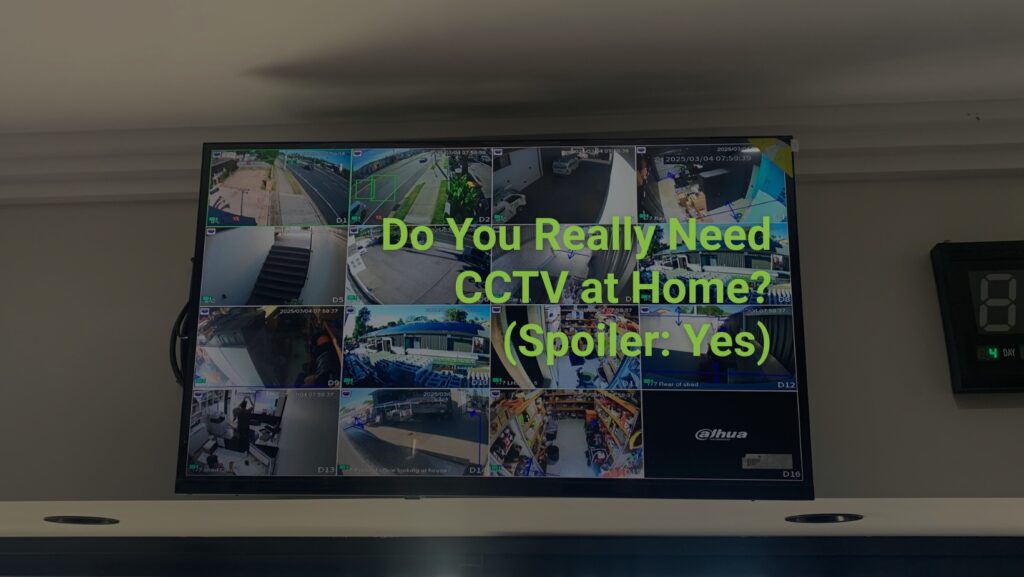
In today’s world, home security is more important than ever. With rising concerns about safety, many homeowners are turning to technology for peace of mind.
CCTV at home is a popular choice for enhancing security. These systems offer a watchful eye over your property, deterring potential intruders.
The presence of home security cameras can significantly reduce the risk of break-ins. Burglars are less likely to target homes with visible surveillance.
CCTV installation is not just about preventing crime. It also provides valuable insights into daily activities around your home.
Outdoor security cameras are designed to withstand the elements, ensuring continuous protection. They offer high-definition video and night vision capabilities.
Home security cameras can be accessed remotely, allowing you to monitor your property from anywhere. This feature is especially useful for parents and property managers.
Integrating CCTV with other security measures creates a comprehensive safety net. It enhances the overall security of your home.
Understanding the benefits of CCTV at home can help you make informed decisions. It’s a step towards safeguarding your loved ones and property.
Why CCTV at Home Matters: Understanding the Risks and Realities
Home security is not just a luxury; it’s a necessity. The risks of burglary and vandalism are real, affecting neighbourhoods every day.
Understanding these threats can motivate homeowners to take proactive measures. CCTV at home plays a crucial role in this regard.
Many intruders prefer easy targets. Homes without visible security are more appealing to burglars. CCTV presence reduces this risk significantly.
Awareness of local crime statistics further underscores the importance of home security measures. This data can guide effective CCTV installation.
Beyond burglary, CCTV protects against vandalism, providing evidence of any misconduct or damages. This can lead to quicker resolutions with the authorities.
Here are some risk factors to consider:
- High crime areas.
- Poorly lit surroundings.
- Unoccupied properties during the day.
- Visible signs of absent homeowners.
CCTV systems offer more than just surveillance. They provide peace of mind, especially for families with children or elderly relatives.
Knowing your property is under constant watch can ease anxiety. It helps create a safer environment for everyone living in the home.
Understanding the realities of crime and the role of CCTV provides a clearer picture. It encourages steps towards a safer living space.
Homeowners equipped with this knowledge are better prepared. They’re empowered to make strategic security decisions that match their unique needs.
How CCTV Deters Crime and Protects Your Property
CCTV systems serve as a powerful deterrent to crime. The sight of cameras alone can prevent many potential burglars.
Criminals often seek easy targets. Homes with visible outdoor security cameras pose additional risk for them, as they’re more likely to be caught on video.
Statistics show a marked decrease in crime rates in areas with high CCTV installation. This proves the psychological deterrent effect cameras have on would-be intruders.
Real-time monitoring is another crucial advantage of home security cameras. They allow homeowners to keep an eye on their properties even from a distance.
Modern systems grant remote access via mobile phones or computers. This offers homeowners an opportunity to act swiftly if something unusual occurs.
Here are key ways CCTV deters crime:
- Acts as a visible deterrent.
- Captures high-definition footage for evidence.
- Provides real-time alerts to suspicious activities.
markdown
- Enables timely law enforcement notifications.
Apart from deterring crime, CCTV cameras provide essential evidence in case a crime does occur. Recorded footage can be vital in identifying suspects and assisting police investigations.
Moreover, high-quality video footage boosts the chances of recovering stolen items. This cooperation with law enforcement agencies strengthens a community’s safety net.
Furthermore, the mere presence of a camera can offer a stronger feeling of safety. This enhanced sense of security significantly improves residents’ peace of mind.
Finally, having a robust CCTV system in place can influence insurance premiums positively. Insurers often offer reduced rates for homes with comprehensive security measures.
Homeowners, parents, and property managers can all benefit from these advantages. CCTV systems are indeed more than just tools; they’re investments in protecting what truly matters.
In summary, by preventing potential crimes, aiding investigations, and reducing financial liabilities, CCTV cameras provide holistic protection for homeowners.
Key Benefits of Home Security Cameras for Families and Property Managers
Home security cameras offer numerous benefits for both families and property managers. These advantages range from increased safety to enhanced management efficiency.
For families, the peace of mind that comes from knowing your home is monitored is invaluable. Parents, in particular, find security cameras helpful in keeping track of children while they’re away.
Families can monitor elderly family members at home, ensuring their safety throughout the day. This capability allows carers to check in remotely, reducing stress and the need for constant physical supervision.
Moreover, home security cameras record valuable footage.
Should a security incident occur, this recorded evidence becomes crucial for identifying culprits or understanding what happened.
Property managers benefit significantly from the implementation of CCTV systems. These cameras allow for efficient surveillance of multiple properties simultaneously.
This remote capability means potential issues can be addressed quickly, minimising disruptions for tenants. Moreover, surveillance enhances the security of common areas, reducing vandalism and anti-social behaviour.
For property managers, home security cameras streamline communication with tenants. Cameras can help explain security incidents, making complex situations clearer and understandable for everyone involved.
Here’s how security cameras empower families:
- Monitor children and elderly remotely.
- Enhance overall home security.
- Provide evidence in case of theft or vandalism.
- Reduce stress with constant home surveillance.
And benefits for property managers include:
- Managing multiple properties effectively.
- Enhancing tenant safety and satisfaction.
- Reducing vandalism and crime in public areas.
- Offering clear visuals for resolving tenant disputes.
Additionally, home security cameras can positively impact community relations. A neighbourhood with a strong sense of security encourages residents to interact more, fostering a supportive environment.
Tenants appreciate knowing their safety is a priority. This knowledge often results in higher tenant retention rates, benefiting property managers in the long run.
Finally, the presence of surveillance systems can help justify property rental or leasing rates. Prospective tenants often view robust security measures as a valuable asset.
In short, both families and property managers find tangible benefits in adopting CCTV at home.
By combining security, convenience, and efficiency, these systems enhance quality of life and management effectiveness.
Types of CCTV Systems: Wired, Wireless, Indoor, and Outdoor Security Cameras
Choosing the right type of CCTV system for your home is crucial. Understanding your options can make decision-making easier and ensure optimal security coverage.
Wired CCTV Systems
Wired systems are traditional and reliable. They connect cameras to recording devices with wires. This often means stable video quality and no interference.
However, wired systems can be complex to install. They require professional help for proper configuration, often involving drilling and cable management. Despite this, their reliability makes them popular for permanent installations.
Wireless CCTV Systems
Wireless systems offer flexibility. They use Wi-Fi to transmit footage, eliminating the need for extensive wiring. This makes installation simpler and less intrusive.
Wireless cameras can be placed virtually anywhere within Wi-Fi range. Yet, they depend heavily on your internet connection. Weak signals may affect performance, which is a key consideration in their use.
Indoor Security Cameras
Indoor cameras help monitor the inside of your home. They are less weather-resistant but often have better aesthetics for indoor use.
These cameras are perfect for overseeing living rooms, hallways, or children’s rooms. Their placement allows you to monitor daily activities and ensure safety.
Outdoor Security Cameras
Outdoor cameras need to be robust. Designed to withstand weather extremes, they provide a protective eye on the exterior of your home.
These cameras often include night vision to capture clear images even in low light. They serve as a strong deterrent to potential intruders, enhancing your home security.
Key Features to Consider:
- Wired vs. Wireless: Ease of installation and signal reliability.
- **Indoor vs.
Outdoor: Durability and coverage area needs.
Additional Benefits of Security Cameras:
- Night Vision: Essential for outdoor security.
- Design: Wireless options for easier installation.
Selecting the right cameras requires balancing your security needs with installation considerations. Whether it’s a wired system for reliability or a wireless one for flexibility, ensuring the right fit is crucial for maintaining effective home surveillance.
Choosing the Right CCTV System for Your Home
Selecting a CCTV system that suits your home is an important step in securing your property. With various options available, it’s vital to consider your specific needs and circumstances.
Assess Your Security Needs
Begin by evaluating the areas you wish to monitor. Identify vulnerable entry points, like back doors or garages. Consider both indoor and outdoor spaces for comprehensive coverage.
Analyse any past security issues that influenced your decision to invest in CCTV. Identifying these factors will guide your choice in system features, such as night vision or motion detection.
Budget and Cost Considerations
Budget plays a key role in choosing a CCTV system. High-end systems offer advanced features but can be costly. It’s crucial to balance your needs with what you can afford.
Consider potential savings, such as reduced insurance premiums, when evaluating the total cost. Investing in quality now can prevent future expenses related to theft or vandalism.
List of Key Features to Look For:
- Resolution: Clear images are vital for identification.
- Field of View: Coverage area to maximise monitoring.
- Night Vision: See clearly in low-light conditions.
- Integration: Compatibility with existing smart home devices.
Evaluate Installation and Maintenance
Think about the installation process.
Output (British English):
Wireless systems offer simplicity, while wired options may require a professional touch. Ease of use and maintenance are essential for long-term effectiveness.
Consider who will maintain the system. Regular check-ups ensure it functions smoothly, keeping your home secure at all times.
List of Additional Considerations:
- Scalability: Ability to add more cameras in the future.
- Weather Resistance: Crucial for outdoor cameras.
Seek Professional Advice
Consulting a security expert can provide valuable insights. Professionals can assess your property and recommend systems that fit your needs perfectly.
Their expertise ensures that the system you choose is tailored to your home’s requirements, providing peace of mind.
Make an Informed Choice
Once you’ve gathered all relevant information, make a well-informed decision.
A well-chosen CCTV system enhances the safety and security of your home effectively.
Professional vs. DIY CCTV Installation: What You Need to Know
When it comes to installing a CCTV system at home, deciding between professional and DIY installation is crucial. Both options have distinct advantages and limitations.
Benefits of Professional Installation
Choosing professional installation can ensure that your system is set up for optimal performance. Experts have the skills to position cameras accurately for maximum coverage. They can also handle complex wiring, reducing the likelihood of errors.
Professional installers often provide ongoing support. This can be a major advantage if you face technical issues down the line.
DIY Installation Considerations
Opting for a DIY approach can be cost-effective, especially for simpler systems. Many modern CCTV kits come with detailed instructions that make setup manageable for handy homeowners.
markdown
DIY installation provides flexibility. You can take your time to plan and adjust the system according to your evolving needs.
Essential Factors to Compare:
- Cost: Professional services cost more initially.
- Time: DIY can be time-consuming without expertise.
- Expertise: Training ensures effective placement.
- Customisation: DIY allows for personal adjustments.
Weighing the Risks
DIY installation carries risks, especially with no prior experience. Incorrect setups may lead to blind spots or system failures. Professional installation minimises these risks but usually requires a higher upfront investment.
When to Consider a Professional
Complex systems or those requiring integration with other devices often warrant a professional touch. Their expertise can provide reassurance about the reliability of your security setup.
markdown
Making the Right Decision
Ultimately, your choice depends on your comfort level, budget, and the complexity of the system. Evaluate both options carefully to ensure that your CCTV system is effective and reliable.
Smart Features and Modern Innovations in Home Security Cameras
Home security technology has significantly evolved in recent years. Modern security cameras now offer an array of smart features, enhancing both safety and convenience for homeowners.
Advances in Camera Technology
One significant advancement is high-definition video quality. This provides clearer images, making identification easier in case of incidents. Cameras with infrared and night vision allow for 24/7 monitoring, even in low-light conditions.
Intelligent Motion Detection
Smart security cameras can distinguish between different types of motion.
This reduces false alarms, alerting you only when real threats are detected. These systems can notify you through mobile apps, providing peace of mind anywhere.
Cloud Storage and Accessibility
Cloud-based storage solutions have transformed how surveillance footage is handled. Now, footage can be stored remotely, providing security against tampering. Remote access through smartphones ensures you can check in on your home from anywhere.
Additional Smart Features:
- Two-Way Audio: Communicate directly through the camera.
- Facial Recognition: Identifies familiar faces to prevent false alerts.
- Number Plate Recognition: Useful for monitoring vehicles.
- Smart Integrations: Compatible with other smart home devices.
Enhancing Home Security Systems
Integrating cameras with smart home systems extends their capabilities. For instance, linking cameras to smart locks or lighting can automate responses to detected movements, further securing your home.
Emerging Innovations
Facial recognition is rapidly advancing, allowing for more personalised security. Cameras can now be programmed to identify regular visitors and alert for unknown individuals.
Embracing Smart Technologies
The integration of these smart features into home security cameras marks a new era. This combination of technology enhances your home’s safety, providing a more secure living environment for you and your loved ones.
Legal and Privacy Considerations for CCTV at Home
When installing CCTV at home, it’s crucial to navigate legal and privacy concerns. Understanding the laws surrounding CCTV use can prevent potential legal issues in the future.
Being Mindful of Privacy Laws
Homeowners must respect neighbours’ privacy. Ensure cameras do not intrude on adjacent properties by focusing surveillance on your own space.
Familiarise yourself with local privacy regulations to avoid unintended breaches.
Responsibility and Respect
Installing CCTV comes with responsibilities. You should inform guests and workers about the presence of security cameras. Not only does this promote transparency, but it’s often a legal requirement.
Key Legal Considerations:
- Signage Requirements: In some areas, signs must indicate the presence of CCTV.
- Data Protection: Footage might need to comply with data protection laws.
- Recording Consent: Consent may be required if recording audio.
Final Thoughts on Legal Compliance
Balancing home security with legal obligations ensures a harmonious neighbourhood environment. By understanding and respecting these considerations, you can secure your home without infringing on others’ rights.
Best Practices for Placement and Maintenance of CCTV Cameras
Proper placement and regular maintenance of CCTV cameras are crucial to maximise their effectiveness.
Here are some essential practices to ensure your CCTV system provides the best coverage and performance.
Strategically Position Your Cameras
Start by placing cameras at entry points like doors and windows. High-traffic areas are also important to cover, as they often become entry routes for intruders. It’s wise to position cameras to cover blind spots that are often overlooked.
- Entry Points: Main doors, back doors, and accessible windows.
- Blind Spots: Corners and shadowed areas around the house.
Take Advantage of Technological Features
Consider cameras with features like pan and zoom to cover larger areas. For outdoor security cameras, ensure they are positioned high enough to be out of reach but angled appropriately for optimal visibility.
Regular Maintenance Routines
Maintaining your CCTV system ensures it operates effectively. Regularly check connections and clean lenses to keep images clear.
Test your system to ensure all parts are functioning well, and promptly address any technical issues.
- Routine Checks: Inspect for damage or obstructions.
- System Testing: Monthly test alarms and motion sensors.
The Importance of Visibility and Coverage
While strategic placement is crucial, cameras should also be visible to act as a deterrent. However, they must be tamper-proof to prevent sabotage.
By following these best practices, your CCTV system will provide optimal security for your property and peace of mind for you and your family.
Integrating CCTV with Other Home Security Measures
Enhancing your home’s security involves more than just installing CCTV cameras. Integrating various systems creates a robust line of defence. Here’s how you can combine your CCTV system with other security measures for maximum protection.
Layered Security Approach
A layered security system involves multiple protective measures. Combining CCTV with alarms and motion sensors creates a stronger deterrent effect. Each system supports the other, filling gaps that one system alone might leave exposed.
- Alarms: Alert residents and authorities immediately.
- Motion Sensors: Trigger recordings upon detecting movement.
- Smart Locks: Control access remotely via a smartphone.
Leverage Smart Home Technology
The advancement of smart technology enhances the integration of security systems. Linking CCTV with smart lighting can simulate presence, deterring potential burglars. Lights can turn on automatically when cameras detect motion.
Comprehensive Surveillance
Combining CCTV with neighbourhood watch schemes fosters community safety. Participants, including parents and property managers, share information, extending surveillance beyond individual homes.
By integrating CCTV with these varied measures, you create a comprehensive security strategy. It not only protects your home but also provides peace of mind for your family and tenants.
Real-Life Scenarios: How CCTV Helped Homeowners and Property Managers
CCTV systems have been pivotal in transforming security management for many homes and properties. Beyond theoretical benefits, real-life examples highlight their effectiveness.
Consider a homeowner whose property was spared from burglary. Visible cameras deterred the intruder who turned away upon noticing the surveillance presence. This scenario illustrates how CCTV can act as a proactive security measure.
In another instance, a property manager managed a complex dispute using recorded footage. A tenant reported vandalism to their parked vehicle. The CCTV footage provided clear evidence, helping resolve the issue promptly and fairly.
Key Outcomes from CCTV Use:
- Deterrence: Potential intruders often leave when they spot cameras.
- Evidence Collection: Vital in resolving disputes or investigating crimes.
- Peace of Mind: Enhances residents’ and tenants’ feeling of security.
These cases emphasise the practical advantages of having CCTV at home. Both homeowners and property managers can attest to the sense of security it brings.
Frequently Asked Questions About CCTV at Home
What is the installation process like?
Installing CCTV at home varies based on the type of system. Wired systems require professional setup. Wireless options are more DIY-friendly.
Are CCTV cameras expensive?
Costs depend on features and specifications. Basic models are affordable, whilst advanced systems with extra features cost more.
Can CCTV cameras work without Wi-Fi?
Yes, some cameras record footage onto local storage.
However, remote access and mobile alerts require internet connection.
How do I choose the right CCTV system?
Consider factors such as property size, budget, and specific needs. Consulting a security professional can be helpful.
Can CCTV cameras see in the dark?
Most modern cameras have night vision features. They capture clear images even in low-light conditions.
What are common maintenance practices?
Regularly checking lenses and software updates ensures optimal performance. Proper maintenance extends the equipment’s lifespan.
Here’s a summary of key points:
- Installation: Varies by system type.
- Cost: Depends on features.
- Wi-Fi Requirement: Not always necessary.
- Selection Criteria: Property and budget considerations.
- Night Vision: Available in many models.
- Maintenance: Regular checks needed.
Conclusion: Building Peace of Mind with CCTV at Home
Investing in CCTV at home provides more than just a security boost.
It delivers peace of mind to families, homeowners, and property managers alike. By understanding and implementing the right system, you’re actively safeguarding your loved ones and assets.
Beyond security, CCTV fosters a sense of control over one’s environment. The ability to monitor your home from anywhere builds a reassuring layer of safety. With this proactive approach, you’re not only preventing incidents but also enhancing your property’s overall security posture.