
Access Control Systems
In today’s digital age, access control is one of the most critical elements of business security. Whether you’re protecting sensitive data, physical facilities, or digital networks, having the right access control system in place ensures that only authorised individuals can enter or interact with specific areas or information.
From preventing unauthorised access to enhancing operational efficiency, effective access control is the backbone of a secure organisation.
Types of Access Control Systems
Understanding the different access control models helps you select a system that aligns with your business goals and security needs:
- Discretionary Access Control (DAC): Users control access to their own data or resources.
- Mandatory Access Control (MAC): Access is determined by security clearance and data sensitivity.
- Role-Based Access Control (RBAC): Permissions are granted based on an employee’s role or position.
Each system offers unique benefits. For many Brisbane businesses, role-based access control provides a balance between security and flexibility.
Access Control and Identity Access Management (IAM)
Access control is a core part of Identity Access Management (IAM) — the framework that ensures the right people have the right access at the right time.
A strong IAM approach helps businesses:
✅ Reduce unauthorised access risks
✅ Maintain compliance with regulations
✅ Protect both digital and physical assets
Integrating access control with IAM gives you full visibility over who accesses what, when, and why — a vital step in securing your operations.
Developing an Effective Access Control Policy
A well-structured access control policy outlines how access rights are assigned, managed, and revoked.
Your policy should:
- Clearly define who has access to which data or areas
- Specify access conditions and approval workflows
- Be reviewed regularly to keep up with changing roles and technologies
When designed properly, this policy not only strengthens security but also improves productivity by eliminating unnecessary restrictions or access bottlenecks.
Establishing Access Levels and Permissions
Security best practice starts with assigning minimal access — employees should only have access to what they need.
Define access levels by job role and responsibility, and conduct periodic reviews to adjust permissions as your organisation evolves. This principle of “least privilege” reduces the chance of internal or accidental breaches.
Maintaining and Updating Access Control Systems
Just like any security system, access control technology requires regular updates and maintenance.
Routine system checks help identify vulnerabilities, ensure hardware and software are running smoothly, and extend the lifespan of your security infrastructure. Neglecting maintenance could leave your business exposed to cyber threats or unauthorised entry.
Auditing and Monitoring Access
Continuous auditing and real-time monitoring are key to effective access control.
Audits help verify compliance with policies and identify unusual access patterns, while real-time monitoring detects suspicious activities instantly — allowing your team to respond before damage occurs.
Access logs are also essential. They create a detailed record of every entry and access attempt, supporting investigations and promoting employee accountability.
Integrating Access Control with Other Security Measures
For a truly secure environment, access control should work hand-in-hand with other systems such as:
- CCTV and surveillance cameras
- Alarm and intrusion detection systems
- Biometric scanners or smart locks
This integration provides a layered defence, ensuring that even if one measure fails, others remain active to protect your assets.
Modern Access Control: Biometric and Mobile Solutions
Today’s businesses can benefit from innovative access control technologies such as:
- Biometric Systems: Use fingerprints, facial recognition, or iris scans to verify identity — nearly impossible to duplicate.
- Smart Cards and Mobile Credentials: Offer contactless access using smartphones or encrypted cards, ideal for fast-paced environments.
These solutions combine security with convenience, perfect for modern offices and facilities seeking flexibility without compromising protection.
Training Staff and Handling Security Breaches
Even the most advanced access control system is only as strong as the people using it.
Provide regular employee training on access protocols, recognising security risks, and responding to breaches. Establish a clear response plan that outlines how to contain, report, and recover from incidents.
Post-breach reviews are equally important — they help refine your processes and strengthen future resilience.
Partner with AIS Electrical for Expert Access Control Solutions
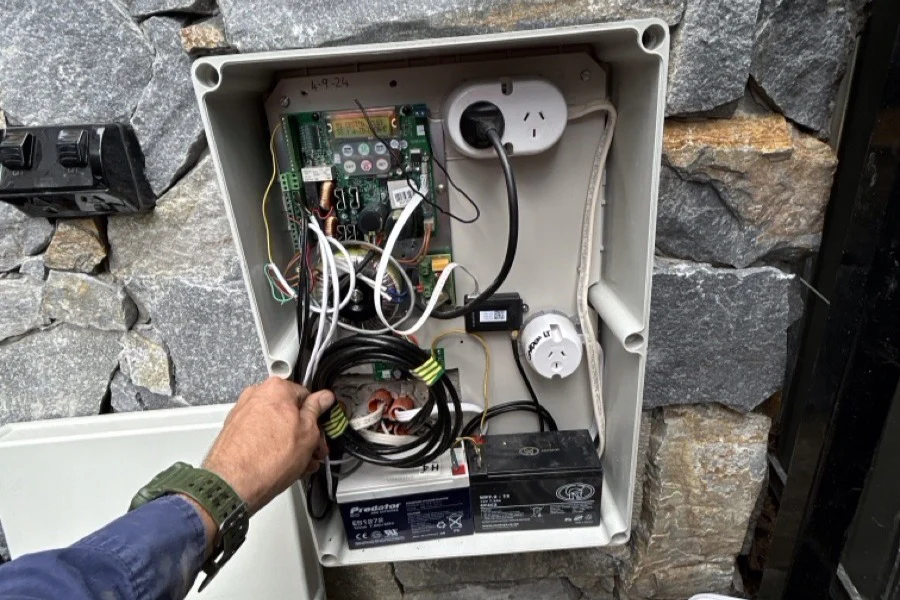
At AIS Electrical, we design and install tailored access control systems that keep your business secure and compliant. From smart card systems to advanced biometric solutions, our licensed electricians deliver reliable, scalable, and user-friendly setups for Brisbane businesses.
✅ Custom design and installation
✅ Integration with CCTV and alarm systems
✅ Ongoing maintenance and support
Enhance your security with confidence — call AIS Electrical on (07) 3206 1441 or visit aiselectrical.com.au to request your free consultation today.