

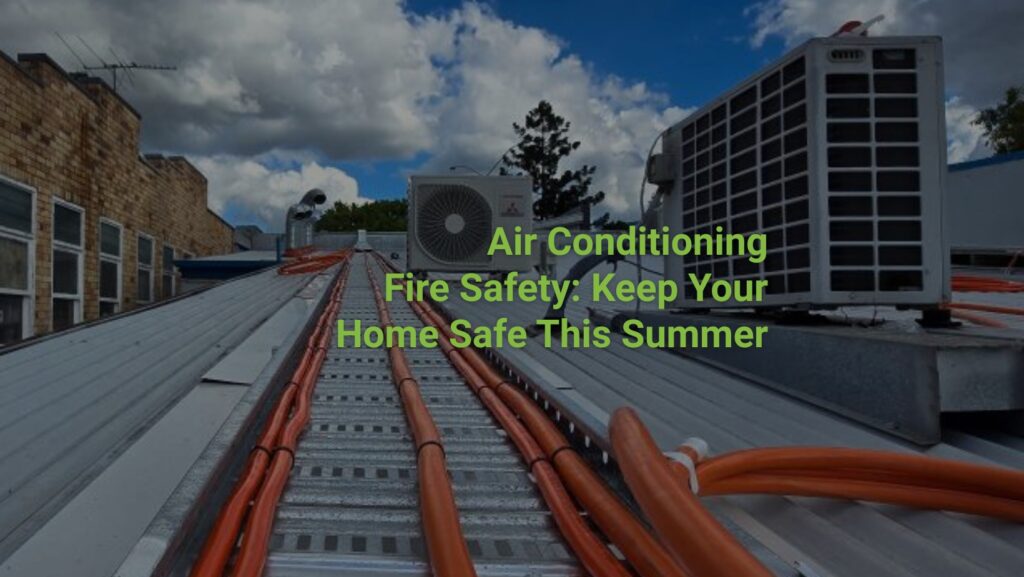
Air Conditioning Fire Safety
Air conditioning keeps your home comfortable during hot months, but it can pose fire risks if not properly maintained. Understanding air conditioning fire safety is essential for homeowners and renters alike.
Dust, debris, and electrical faults are common causes of AC fires. Regular maintenance, inspections, and following HVAC safety tips help prevent potential hazards and keep your family safe.
Why Air Conditioning Fire Safety Matters
A neglected air conditioning unit can become a serious fire hazard. Overheating components, electrical faults, and restricted airflow are leading causes of AC fires.
Prioritising fire safety protects your home, saves money on costly repairs, and prolongs the life of your unit. Key reasons to stay vigilant:
- Protect your home and loved ones
- Maintain your air conditioner’s efficiency
- Avoid expensive repairs or replacements
Common Causes of Air Conditioning Fires
Most AC fires are preventable when you understand their causes:
- Overheating due to dust buildup or blocked airflow
- Electrical issues, including frayed wires, loose connections, or faulty installations
- Incorrect unit sizing, leading to overworked components
Addressing these risks with regular cleaning and professional inspections reduces the chance of fire significantly.
Essential HVAC Fire Safety Tips
Protect your home with these practical precautions:
- Regularly replace air filters for optimal airflow
- Keep areas around outdoor units clear of debris and vegetation
- Inspect electrical components for signs of wear or damage
- Hire professionals for annual maintenance and inspections
- Avoid extension cords; plug AC units directly into a power source
- Install smoke detectors near AC units
Following these steps ensures your air conditioning system runs safely and efficiently.
Signs Your Air Conditioner May Be a Fire Hazard
Watch for warning signs:
- Unusual noises like grinding or squealing
- Burning or unusual smells
- Frequent breaker trips
- Excessive heat from the unit
- Frayed wires or visible damage
If any of these signs appear, take action immediately.
DIY Air Conditioner Safety Checks
You can complement professional inspections with simple home checks:
- Inspect cords and plugs for damage
- Clean dust and debris around vents
- Ensure filters are clean and unobstructed
- Listen for strange noises
Remember: don’t attempt complex repairs yourself. Always call a licensed technician if issues persist.
Professional Maintenance and Inspection Guidelines
Annual inspections by certified technicians are crucial:
- Check electrical wiring and connections
- Test compressor and refrigerant levels
- Clean and lubricate moving parts
- Inspect vents and filters
Professional care ensures your AC unit operates efficiently while reducing the risk of fires.
Fire Prevention Tips for Homeowners and Renters
Simple steps can prevent AC-related fires:
- Keep flammable items away from your unit
- Clear debris around outdoor units
- Avoid using extension cords
- Install and maintain smoke detectors nearby
- Educate household members on AC safety
Prevention is always better than dealing with fire emergencies.
What to Do If You Suspect an Air Conditioning Fire
If you suspect a fire:
- Turn off the unit immediately
- Evacuate everyone from the premises
- Call emergency services
- Use a fire extinguisher only if the fire is small and manageable
- Never return until it is safe
Quick and calm action can save lives and property.
Conclusion: Stay Safe and Cool This Summer
Air conditioning fire safety is essential for protecting your home and family. Regular maintenance, professional inspections, and proactive precautions can prevent fire hazards and costly damage.
Stay vigilant, stay informed, and make AC fire safety a priority this summer. A little diligence goes a long way in keeping your home safe and comfortable.
Keep your home safe this summer! Schedule an Air Conditioning Safety Inspection with AIS Electrical—Brisbane’s trusted licensed electricians. Call 07 3206 1441 or book online today.